Alma Journal
Talented but Not Getting Clients? Here's What Your Brand Isn't Saying
If your work is good and the inquiries still aren’t coming, the problem usually isn’t talent. It’s translation — the gap between what you do and what your presence says about it.
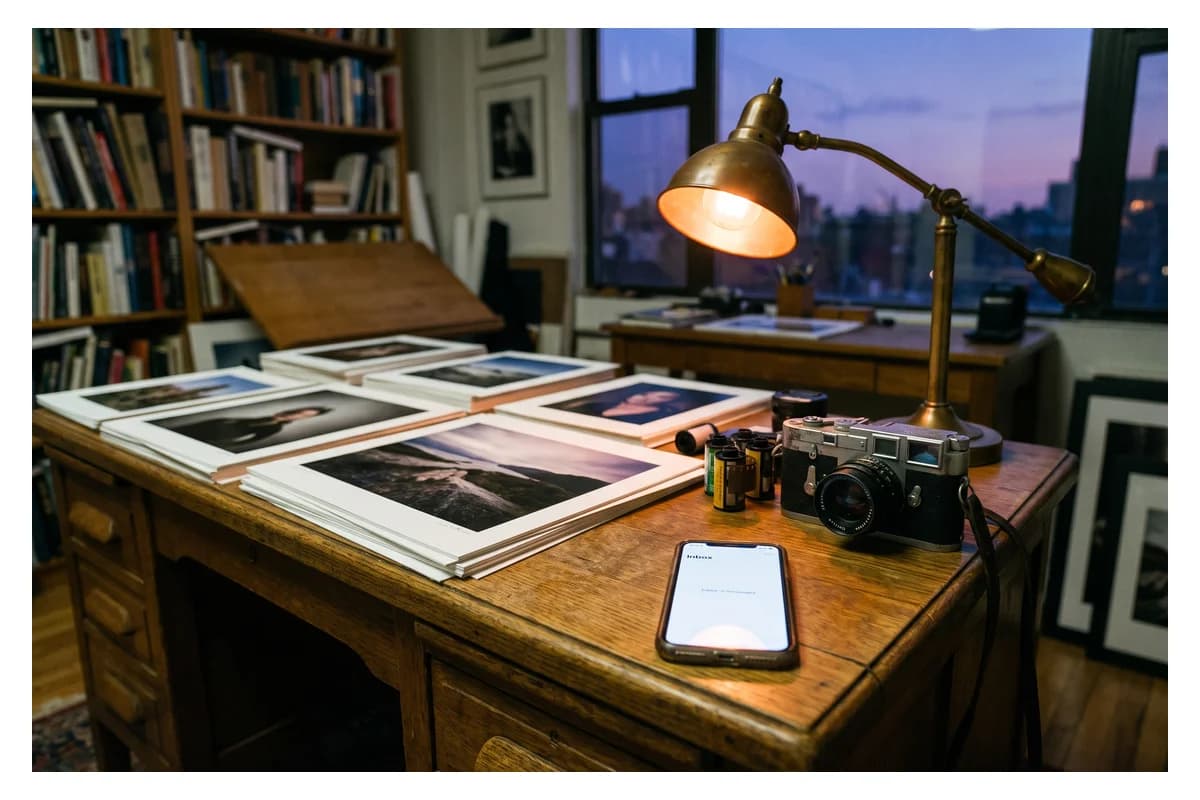
I hear a version of this sentence almost every week: “I know my work is good. So why isn’t anyone booking me?” It comes from photographers with portfolios that stop me mid-scroll, musicians with real followings, designers whose client work is better than the agencies they lost the pitch to. And almost every time, the person saying it has quietly started to wonder if the problem is them.
Let me take that off the table first: if your work is genuinely good, the problem is almost never talent. The problem is translation.
People Don’t Buy What They Can’t Read
Before anyone experiences your work, they experience your presence. Your site, your profiles, your name in someone’s mouth. And in that moment they aren’t judging your craft — they can’t yet. They’re judging the signals around it: Does this person look like they do this seriously? Do I understand what they offer? Do I trust them with my money, my event, my brand?
When those signals are scattered — a logo from one era, a bio from another, work that speaks one language and a website that speaks none — the reader doesn’t conclude “scattered presence.” They conclude “risky choice.” And they keep scrolling to someone whose presence answers those questions in three seconds, even if that someone’s work is worse than yours.
Talent gets you considered. Coherence gets you chosen.
The Three Gaps I See Most
The identity gap. Your visuals don’t match your level. You shoot editorial-quality photography behind a logo you made in a rush five years ago. The work whispers “premium” while the wrapper shouts “beginner,” and the wrapper wins, because it speaks first.
The story gap. Nobody can repeat what you do. “She’s a photographer” is not a referral; “she photographs founders so their site finally looks like their price” is. If your positioning takes a paragraph to explain, it takes a miracle to spread.
The consistency gap. Every touchpoint tells a slightly different story. The Instagram is playful, the site is corporate, the proposal PDF is from a template. Each piece is fine alone; together they cancel each other out. Trust is built on pattern, and there is no pattern to trust.
What Actually Fixes It
Not more posting. Not a new logo picked from three options in a rush. The fix starts one layer down: getting clear on what is true about you and your work, shaping that truth into a position someone can repeat at dinner, and only then rebuilding the visible layer so every touchpoint says the same thing. That order matters — it’s the whole reason our CORE Method starts with Clarity and ends with Elevation instead of starting with a mood board.
When the translation finally matches the talent, something almost unfair happens: the same work starts getting different answers. Not because it changed — because people can finally read it.
If that gap sounds familiar, that’s exactly the conversation our brief starts. Two minutes, no commitment — just tell me where it’s getting stuck.
Alma Journal
Keep reading
Measure Seven Times, Cut Once: The Slow Practice of Building Brands That Last
In a world of instant logos and AI branding, Alma Co. believes patience is the new power move. “Measure seven times, cut once” is our reminder that careful craft creates lasting brands.

Should I Hire a Brand Designer or Just Fix My Logo?
Sometimes a logo tweak really is enough. Here’s the honest way to tell which problem you actually have — before you spend money on the wrong fix.